
The Benefits of Renewable Energy for Homes: Achieving Energy Independence and Cost Savings
Transitioning to renewable energy for your home is an excellent way to reduce your carbon footprint, save on energy costs, and contribute to a sustainable future. Selecting the right renewable energy system can be overwhelming because of the numerous options available today. This guide will cover key factors, types of systems, and the financial benefits of renewable energy for homes.

Choosing the Right Renewable Energy System
Resource Availability
The first step in choosing a renewable energy system is understanding the natural resources available in your area. One of the key advantages of this approach is that it allows you to maximize the benefits of renewable energy by selecting the most suitable technology for your specific environment:
Solar Energy: Abundant in areas with high sunlight exposure.
Wind Energy: Ideal for locations with consistent wind speeds of at least 5-9 mph.

Hybrid Systems: Integrating solar panels with wind turbines allows for a more consistent energy supply by capturing sunlight during the day and generating electricity from wind during windy conditions.
Incorporating roof gardens alongside solar installations maximizes energy efficiency and contributes to urban biodiversity. Roof gardens provide insulation, manage stormwater runoff, and improve air quality, creating a synergy between systems for better energy management.
Combining solar panels with green roofs can increase energy output because the vegetation cools the panels, enhancing their efficiency.

Economic and Cost Considerations
Evaluate your budget and the long-term savings potential:
Initial installation costs vary depending on the system type and size.
Look into government incentives, tax credits, and rebates that can offset costs.
Consider the return on investment (ROI) based on energy savings over time.
System Siting and Sizing
The effectiveness of a renewable energy system depends on proper siting and sizing:
Siting: Ensure that solar panels or wind turbines are placed in locations with maximum exposure to sunlight or wind.
Sizing: Conduct an energy audit to determine your household's energy consumption and select a system that meets your needs.
Installation and Maintenance
Choose certified installers to ensure proper setup and compliance with local regulations. Regular maintenance is crucial to optimize performance:
Solar Panels: Clean periodically and inspect for damage.
Wind Turbines: Check for wear and tear on blades and mechanical parts.
Batteries: Maintain battery health to store and use energy effectively.
Financial Benefits of Solar Energy
Reduced Electric Bills
Solar energy systems can significantly lower your monthly energy costs. By generating your electricity, you rely less on the grid, and excess energy can often be sold back to utility companies.
Increased Home Value
Homes equipped with renewable energy systems, especially solar panels, typically have higher resale values due to their energy efficiency and sustainability.
Protection Against Rising Energy Costs
When energy prices fluctuate, generating renewable energy can protect you from increasing costs and provide long-term financial stability.
Types of Renewable Energy Systems
Solar Energy Systems
Solar Panel Systems with Battery Storage: These systems capture sunlight and store excess energy in batteries for use during cloudy days or at night.

Solar Heating: Harnesses solar energy to heat water or indoor spaces, reducing reliance on conventional heating systems.

Passive Solar Design: Incorporates design elements like south-facing windows to naturally heat and cool your home by utilizing sunlight and wind direction.

Wind Energy Systems
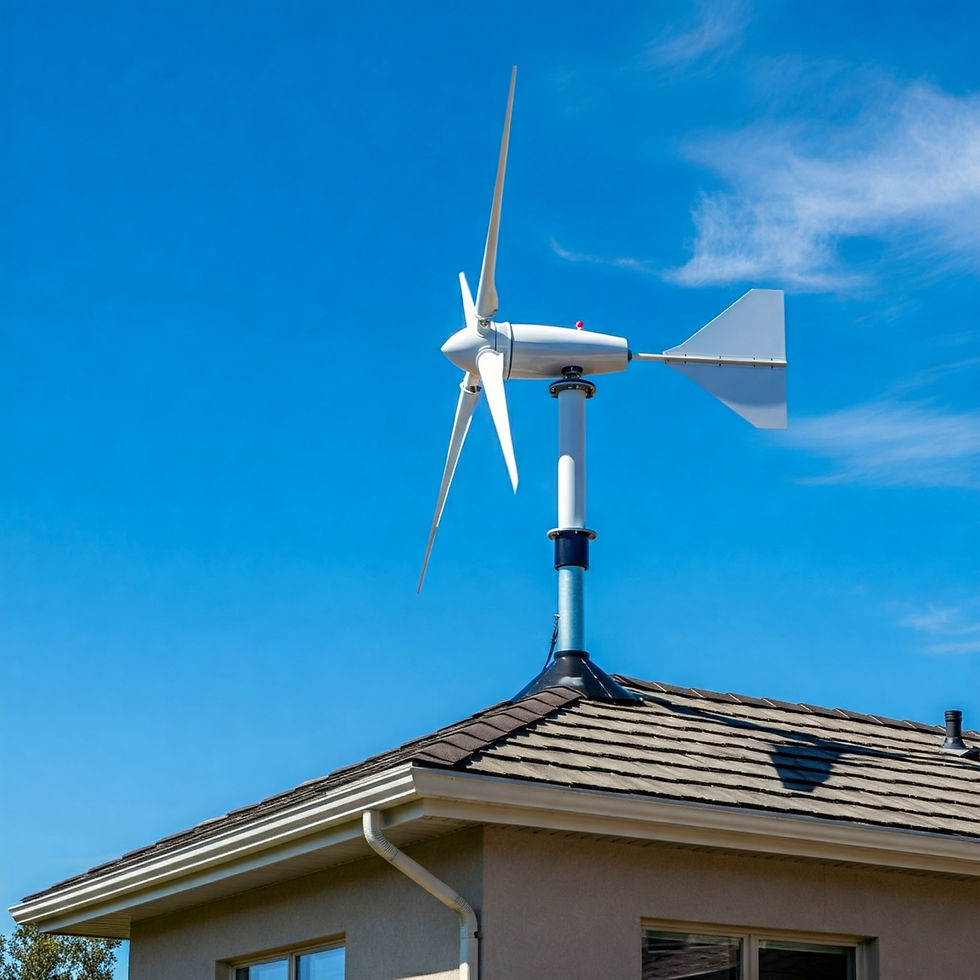
Small wind turbines are suitable for rural or suburban homes with adequate space and consistent wind speeds. These systems can supplement your energy needs and work well with other renewable systems.
Hybrid Systems
Hybrid systems combine multiple energy sources to maximize efficiency. For instance:
Solar panels paired with roof gardens enhance insulation and energy efficiency.
Combining wind and solar energy ensures consistent energy production in varying weather conditions.
The Power of Solar Energy
Did you know? The amount of sunlight that strikes the Earth's surface in just one and a half hours is enough to handle the entire world's energy consumption for a whole year. By installing solar panels, you tap into this limitless, clean energy source.
Conclusion
As we move toward a more sustainable future, investing in renewable energy for your home not only aligns with environmental responsibility but also empowers you as a homeowner. The evolution of technology and the availability of financial incentives have made it easier than ever to transition to clean energy solutions. By assessing your unique energy needs and the specific resources available, you can make informed decisions that enhance your lifestyle and your financial well-being.
Moreover, renewable energy systems are not just a trend; they represent a shift in how we approach energy consumption and generation. The long-term benefits, including lower utility costs, increased property values, and a reduced carbon footprint, are compelling reasons to take action. As you consider options like solar panels, wind turbines, or hybrid systems, remember that each step you take contributes to a larger movement toward energy independence and sustainability.
Ultimately, embracing renewable energy is more than a personal investment; it’s a commitment to a healthier planet and a more resilient future for generations to come. The time to act is now—join the renewable energy revolution and be part of the solution.


Comments